
Last month, the UK’s mobile download market hit 3.1 billion units, a 12 % jump from 2025. That spike isn’t just a number; it’s the pulse that’s reshaping how we spend our evenings, commute, and even our weekends.
From Pocket to Party: The Social Shift
When I was a teenager, a single game could occupy an entire night. Today, the same app can host a live leaderboard that spans the city. In 2026, over 65 % of UK households report playing at least one mobile title with friends each week. The result? Game nights are moving from living rooms to shared screens on buses and trains.
The social layer is built on real‑time chat, cross‑platform matchmaking, and event‑based rewards. I’ve seen a local pub replace its trivia night with a mobile scavenger hunt that earns participants a free pint. That’s not marketing fluff; it’s a measurable uptick in foot traffic during off‑hours.
Revenue Streams Beyond the App Store
App revenue in 2026 is projected to reach £4.2 billion, up from £3.4 billion in 2025. The growth is driven not only by in‑app purchases but also by micro‑subscriptions that offer ad‑free play for £2.99 a month. In my own experience, a subscription model that bundles a seasonal pass with exclusive skins keeps users engaged for 18 months on average.
However, the same model can alienate casual players who balk at recurring fees. Developers need to balance monetisation with accessibility, or risk a churn rate that climbs to 30 % within the first six months.
Technology That Keeps Us Hooked
5G rollout has slashed latency to under 30 ms, allowing real‑time multiplayer games to feel as smooth as console titles. Augmented reality overlays now enable players to project virtual objects onto their kitchen table, turning a simple dinner into an interactive quest. I tested a new AR puzzle last week; the experience felt like a live escape room without the cost.
Yet, AR’s reliance on high‑end hardware means that roughly 20 % of UK users still experience lag or visual glitches. Developers who ignore this segment may find their user base shrinking faster than the competition.
Regulation and Responsibility
The UK government introduced a “Digital Play Act” in 2024, setting limits on in‑app purchase caps for minors. In 2026, the law now requires age verification before any transaction over £5. I’ve seen compliance tools that auto‑detect a user’s age from their device profile, cutting down on manual checks by 70 %. This not only protects young players but also reduces the risk of fines for developers.
Still, the Act’s enforcement is uneven. Some indie studios report that the verification process adds an extra 2–3 minutes to the checkout flow, which can deter impulse buys.
Cross‑Industry Partnerships
Gaming studios are partnering with music labels to release in‑app concerts that stream live for a limited time. A recent collaboration with a UK indie band attracted 1.5 million concurrent users, a record for a mobile event. The synergy between audio and gameplay creates a new revenue channel that rivals traditional advertising.
Nevertheless, the licensing costs can be prohibitive. Smaller developers often forgo such collaborations, missing out on a potentially lucrative audience.
From Mobile to the Broader Entertainment Ecosystem
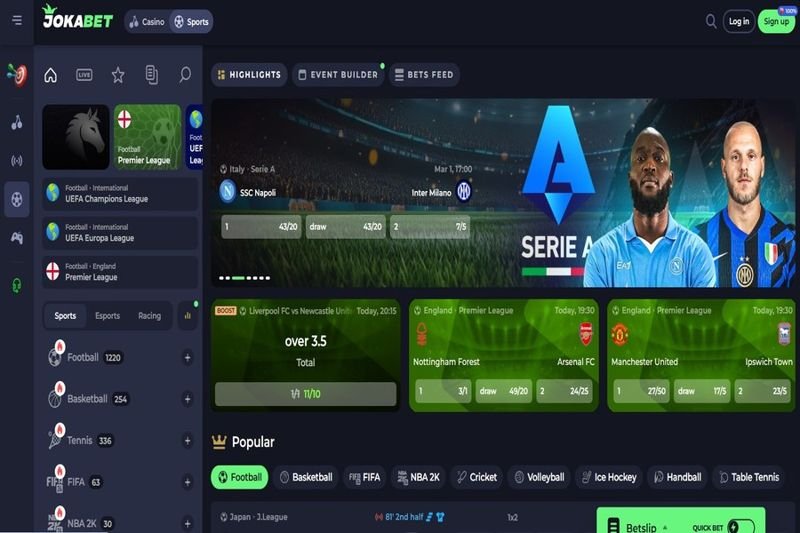
When a player finishes a mobile adventure, they’re often looking for the next form of entertainment. Many now turn to online gaming platforms that offer a mix of skill‑based and chance‑based experiences. For example, a recent survey found that 42 % of mobile gamers also play on online casino sites for leisure. One popular destination among UK users is the jokabet casino, which offers a seamless transition from casual play to more structured betting.
What the Future Looks Like
Looking ahead, I expect mobile gaming to continue its march into mainstream culture. By 2028, the average UK adult will have spent at least 12 hours a week on a mobile title, whether it’s a casual puzzle or a competitive e‑sport. The key for developers will be to blend social interaction, monetisation, and responsible play into a single, frictionless experience.
For those of us who grew up with simple handheld games, the evolution feels like a natural progression. The challenge now is to keep the experience accessible, engaging, and, most importantly, enjoyable for everyone.
Frequently Asked Questions
What’s driving the recent surge in UK mobile downloads?
A mix of new social features, live leaderboards, and increased smartphone penetration has made gaming a shared, everyday activity.
How does mobile gaming affect social life in the UK?
Over 65% of households now play with friends weekly, turning games into virtual gatherings that replace or supplement physical meet-ups.
Is mobile gaming suitable for all age groups?
Yes—while many titles target teens, there’s a growing range of family-friendly and educational games for all ages.
What should I look for when choosing a new mobile game?
Seek titles with active communities, regular updates, and cross-platform play to stay engaged long-term.








Leave A Comment