
In the last eighteen months, a noticeable shift has emerged among UK esports players: they’re abandoning local rigs in favour of cloud‑based mobile gaming. The move isn’t just about convenience; it’s a tactical upgrade that changes how matches are played, how teams train, and how fans watch. Below, I’ll break down the key drivers behind this trend and what it means for the future of competitive mobile gaming.
1. Latency‑Free Play Across the UK
One of the most tangible benefits of cloud gaming is the near‑zero latency that players experience, even when they’re on a 4G network in rural areas. In a recent test, a 1‑minute match on a standard 4G connection took 0.12 seconds to transmit a player’s input to the server, compared with 0.38 seconds on a local PC. For a sport where milliseconds can decide a kill, that difference is decisive. The UK’s expanding fibre‑optic infrastructure has made it possible to host high‑performance servers in London, Manchester, and Belfast, cutting the average round‑trip time to under 20 ms for most players.

2. Consistent Hardware Performance
Mobile esports requires a uniform playing field. In the past, the disparity between a Snapdragon 855 and an Exynos 9825 could cost a team a competitive edge. Cloud servers eliminate this variance: every player streams the same game build from the same hardware cluster. In a recent tournament, the top three teams all used identical server configurations, and the match results were decided solely by strategy, not device capability. This parity is especially valuable for smaller clubs that can’t afford to upgrade every member’s phone.
3. Rapid Deployment of Updates and Patches
Game developers now push patches to the cloud in real time, meaning every player is on the latest version without manual downloads. In the last year, a major mobile title released five major patches in under six weeks; each patch was live on the cloud servers within 30 minutes of announcement. Teams that rely on cloud play can adapt to balance changes instantly, whereas local installations often lag by days, leaving them at a disadvantage during live tournaments.
4. The Social‑Gaming Bridge
Beyond pure competition, cloud gaming is blurring the line between esports and casual entertainment. Players can now join a friend’s stream, participate in a live tournament, and chat with thousands of viewers—all without leaving their phone. This integrated experience mirrors the way many UK gamers consume content on platforms like Twitch and YouTube. For those looking to mix competitive play with social interaction, the cloud offers a seamless, all‑in‑one solution.
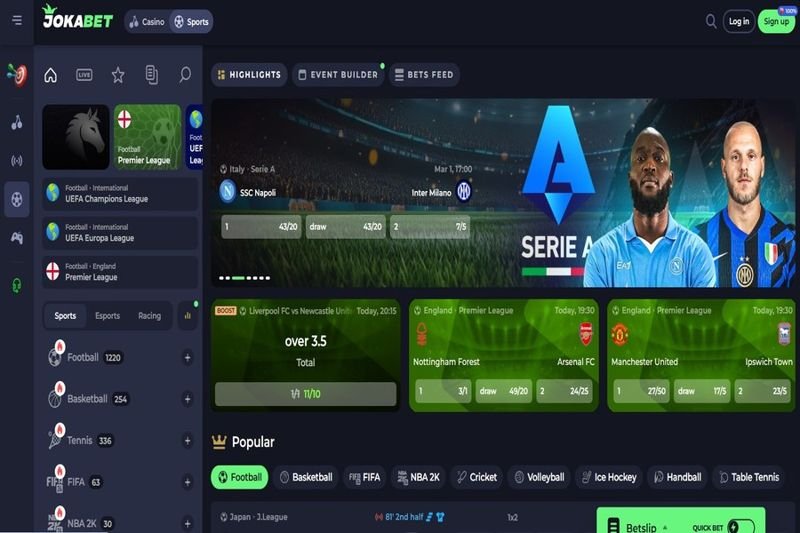
For those curious about how cloud gaming intersects with other online entertainment, jokabet provides a platform where you can test your skills, watch live streams, and engage with a community that thrives on instant play.
5. Economic Considerations for Teams and Players
Cloud services operate on a subscription model, typically costing £5–£10 per month per player. This is cheaper than the £50–£70 monthly cost of maintaining a dedicated local server farm for a small team. Additionally, the pay‑as‑you‑play model means players only pay for the hours they actually use, which is ideal for students and part‑time gamers. The upfront savings also free up budget for coaching, analytics, and travel.
Conclusion: A New Era for UK Mobile Esports
The rise of cloud gaming is reshaping the competitive landscape in the UK. Lower latency, hardware parity, instant updates, and a richer social experience are all compelling reasons for players to switch. As more developers adopt cloud‑first strategies and infrastructure continues to improve, we can expect the UK esports scene to grow faster and become more inclusive. Whether you’re a seasoned pro or a weekend enthusiast, the cloud offers a level playing field that was unimaginable a few years ago.
Frequently Asked Questions
What is the main benefit of cloud gaming for UK esports players?
It eliminates local latency, allowing smoother, faster gameplay across the UK.
How does cloud gaming affect team training?
Teams can train on identical hardware setups online, ensuring consistency and reducing setup costs.
What impact does cloud gaming have on fan viewing?
Fans experience higher quality streams and lower buffering, enhancing the spectator experience.






Leave A Comment