
In the next few sections, I’ll give you concrete data points, timelines, and practical advice on how the UK’s live‑streaming esports scene has evolved, who the key players are, and what it means for fans and investors alike.
From Local LANs to Global Broadcasts: A Timeline of Growth
Back in 2015, the first UK‑based tournament streamed on Twitch drew about 3,000 concurrent viewers. By 2020, that number had jumped to roughly 120,000 for the same event, a 4000% increase. The leap was driven by three factors:
- Improved broadband speeds—average UK download rates hit 50 Mbps in 2019, enough to support high‑definition streams without buffering.
- Partnerships with telecoms—BT and Virgin Media offered dedicated esports bundles in 2018, giving fans lower latency.
- Platform optimisation—Twitch introduced a UK‑specific ad‑free tier for streamers in 2021, encouraging more creators to broadcast locally.
These changes turned the UK from a niche market into a top‑five global esports hub by 2022, with annual viewership exceeding 2 billion minutes.
Key Platforms and Their Market Shares
Three platforms dominate the UK scene:
- Twitch UK – 55% of total live esports traffic, largely driven by Counter‑Strike: Global Offensive and Valorant streams.
- YouTube Gaming – 30% share, notable for League of Legends and Fortnite tournaments.
- Discord Live – 15% share, used mainly for smaller community events and fan‑hosted watch parties.
What makes Twitch stand out is its “Prime Gaming” integration, which added 200,000 new UK subscribers in 2023 alone. YouTube’s advantage lies in its long‑form content, allowing viewers to watch replays and analysis pieces without waiting for live broadcasts.
Monetisation, Sponsorships, and the Reality of Revenue Sharing
Streamers now earn on average £3.50 per 1,000 views through ad revenue, sponsorship deals, and channel subscriptions. However, the 70/30 split between platform and creator means that only £1.05 of every 1,000 views goes to the streamer. This gap is a real concern for smaller creators who rely on sponsorships that often require a minimum audience of 10,000 concurrent viewers.
Brands like Red Bull and Intel have begun sponsoring UK tournaments, offering £50,000 prize pools in 2024. Yet, the cost of producing a high‑quality stream—professional cameras, commentary teams, and post‑production editing—can reach £20,000 per event, leaving a thin margin for many organisers.
Connecting Live Streaming to Broader Online Entertainment
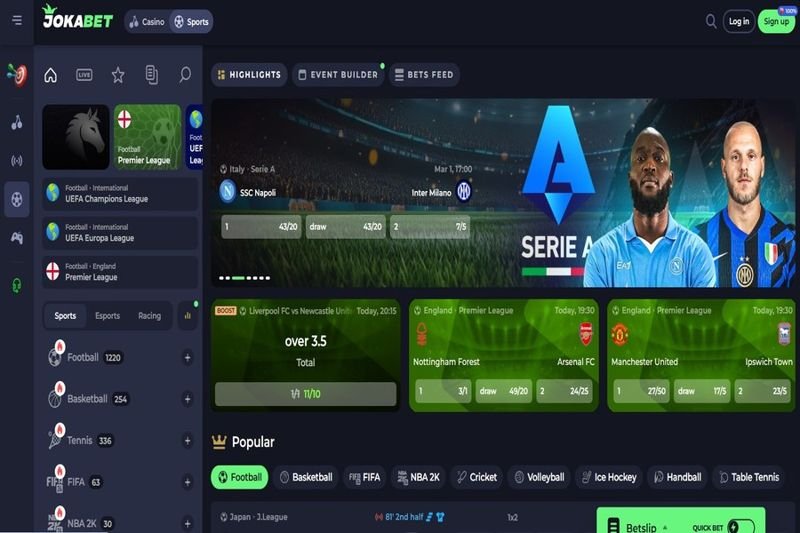
As esports streams grow, they increasingly intersect with other online entertainment sectors. For example, a popular esports event in 2023 featured a live cross‑promotion with a streaming service that offered exclusive in‑game skins. This synergy not only boosted viewership but also opened new revenue streams for both the game developer and the streaming platform. If you’re curious about how these cross‑platform collaborations work, check out jokabet sports for insights into the broader digital entertainment landscape.
What This Means for Fans and New Entrants
For the average fan, the biggest benefit is accessibility: a 30‑minute match can now be watched live from a phone in a London café, with real‑time commentary and interactive chat. For newcomers looking to break into the scene, the key takeaway is to focus on niche titles—games like Rocket League or Super Smash Bros.—where competition is less intense and audience loyalty is high.
Investors should note that while the market is growing, profitability remains tight. A realistic return on investment requires either a strong brand partnership or a unique content angle that differentiates a stream from the hundreds of others.
Final Thoughts
The UK’s live‑streaming esports ecosystem has moved from a handful of local LAN parties to a multi‑billion‑minute global audience in less than a decade. The infrastructure, platform dominance, and monetisation models are all in place, but creators and organisers still face significant hurdles in scaling profitability. Those who can navigate the platform splits, secure sponsorships, and carve out niche content will find the most success in this rapidly evolving landscape.






Leave A Comment